When electricity becomes smart:
The „SmartBOARD project“ electrifies the classroom.

„Smart home you can touch - the next generation of hands-on learning“
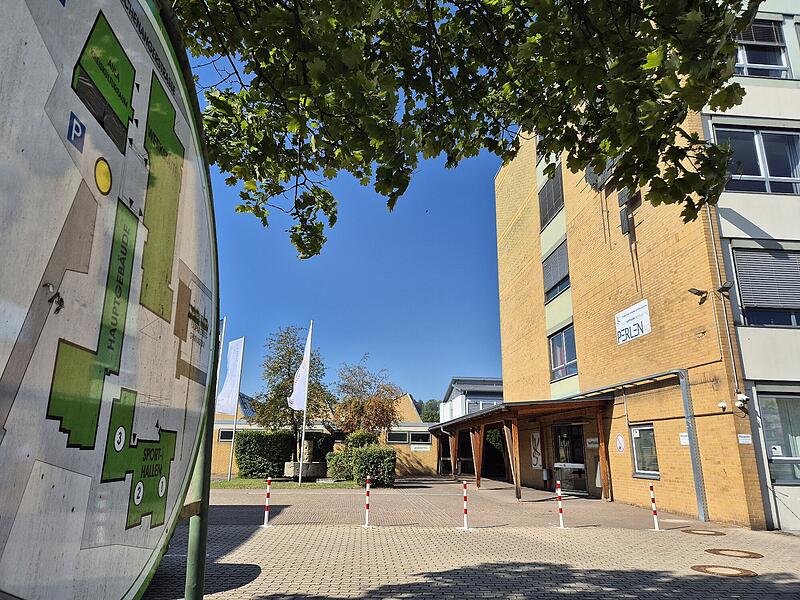
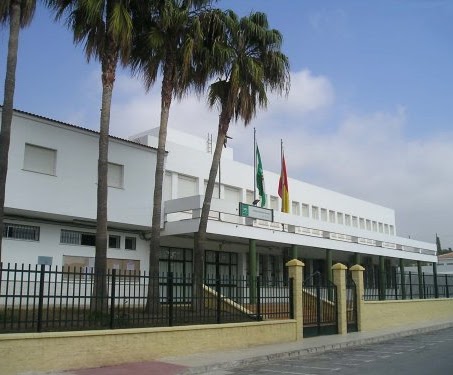
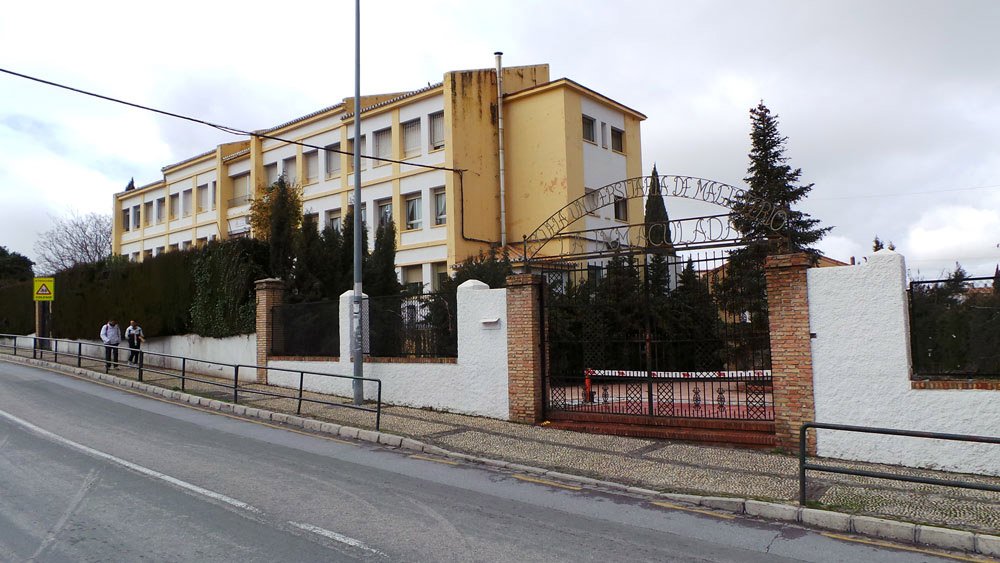
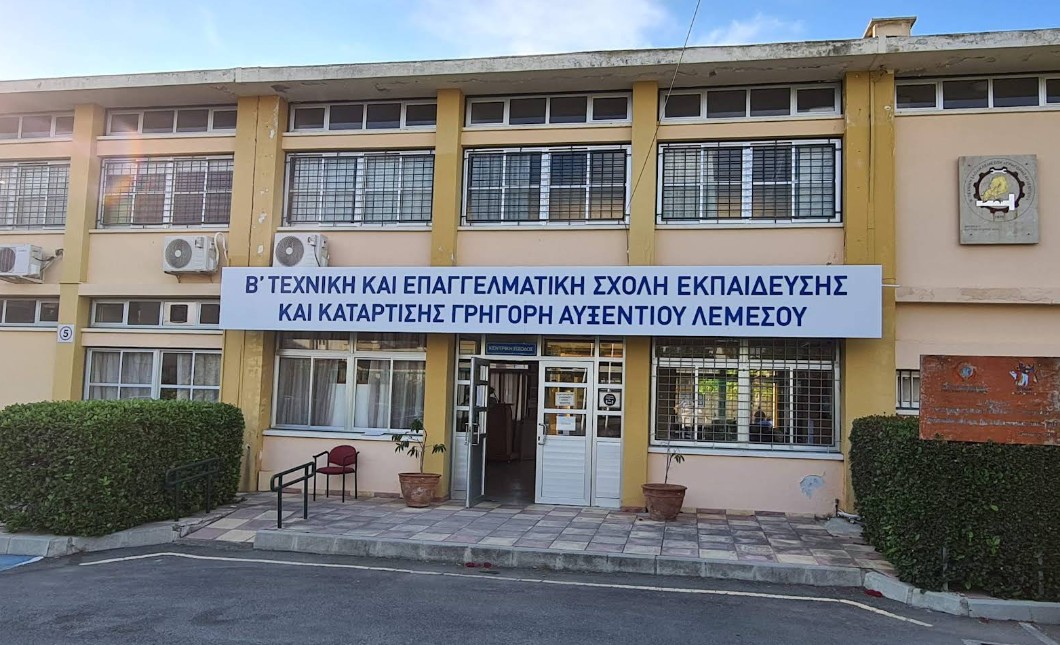
The project aims to integrate SmartHome technologies into the classroom. To this end, special plug-in boards for specialised practical lessons are being developed together with international training partners. The vocational school in Kronach and partner schools in Málaga, Granada and Limassol are involved.
The „SmartBOARDS“ teaching concept envisages that students first set up a classic house installation and then install it with the help of
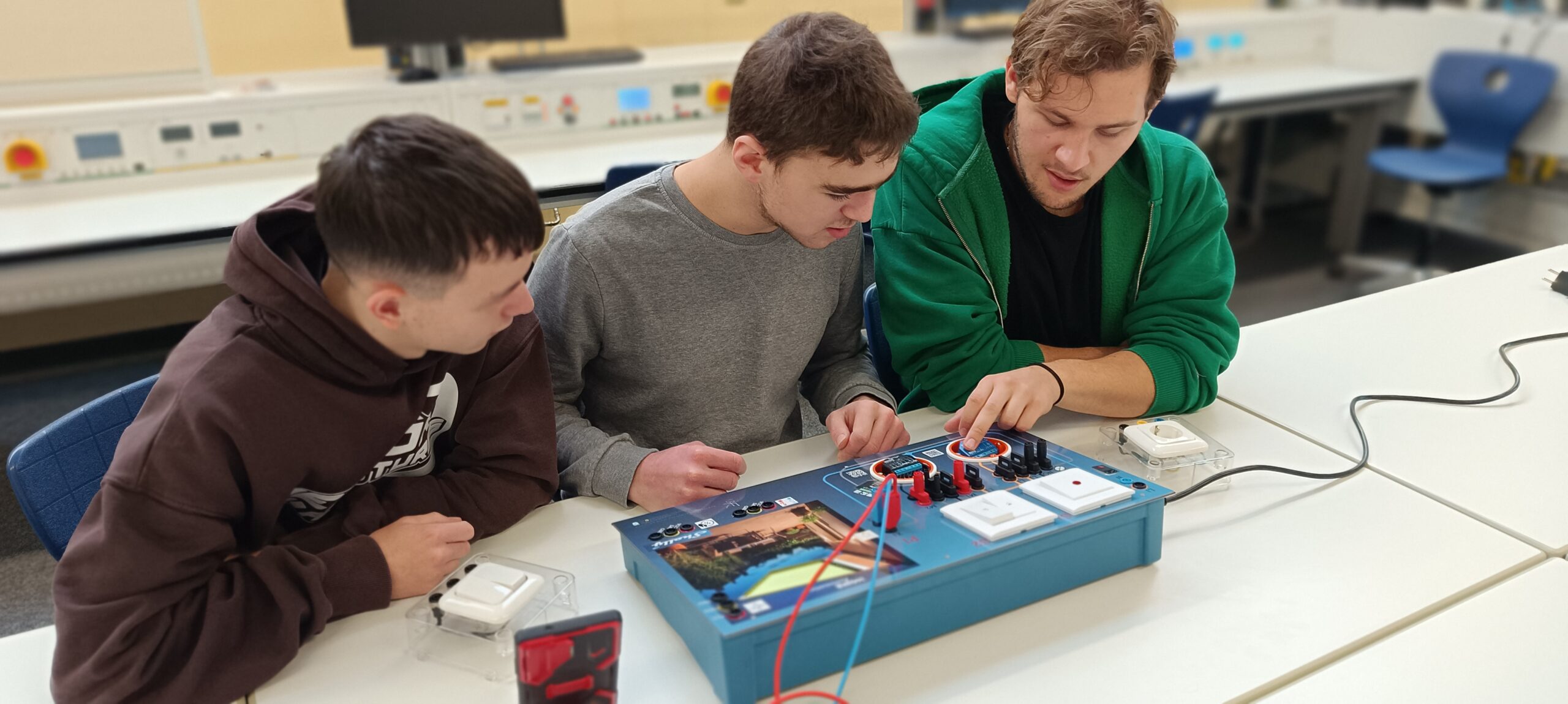
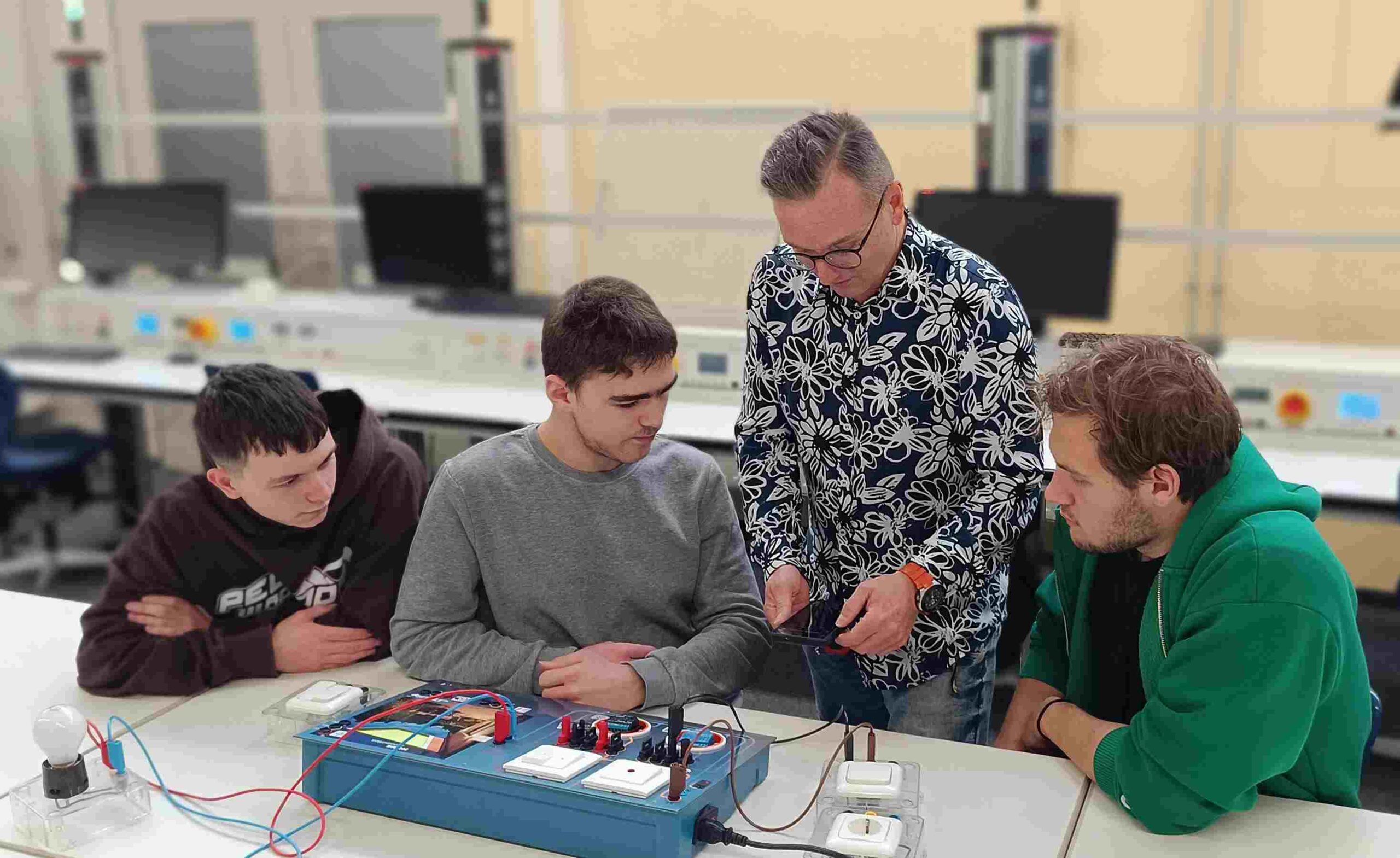
information on the board - accessible via QR codes - to create a smart home circuit. The board enables the simulation of applications such as smart lighting control, power and temperature measurement, socket control and automatic control of awnings. Teachers can provide content or expand it individually.
After completion of the project, further expansion stages are planned for future projects.
From design to programming:
Multi-layered learning aspects with the Smart-BOARD
The fields of activity for the students include
Planning & construction
- Development and design of the SmartBoards
- CAD design with Solid Edge
- Creation of detailed Project and work plans
- Elaboration of electrotechnical E-plans
Manufacturing & Production
- 3D printing of enclosures and components
- Milling and processing of components
- Precise assembly of all assemblies and functional elements
Technology & Programming
- Programming of the components used
- Connection between actuators, sensors, App, Internet)
- Research and development of modern Smart home technologies
Versatile, flexible, modern:
„Smart-BOARD“
The SmartBOARD has modular plug-in connections that can be used to flexibly connect various operating and control elements. These include switches, buttons and a separate module for controlling an awning. The clear structure of the plug connections enables students to set up classic installations and then add smart home functions as required.
Learners first set up the conventional wiring and thus understand the basic principle of the control system. Smart components can then be added to the wiring - in particular through Shelly actuators, which are used in the circuit.
This creates a realistic scenario in which manual operation as well as app and automation control are possible.
Internationally networked:
A project connects schools
Pupils and teachers at these schools work together in mixed teams and contribute their expertise to the project.
Partners and sponsors:
Our project is supported by strong partners from institutions and industry.

Industrial companies in Konach



What are the benefits of the project?
- Text 1
- Text 2
- Text 3
