Shelly Products
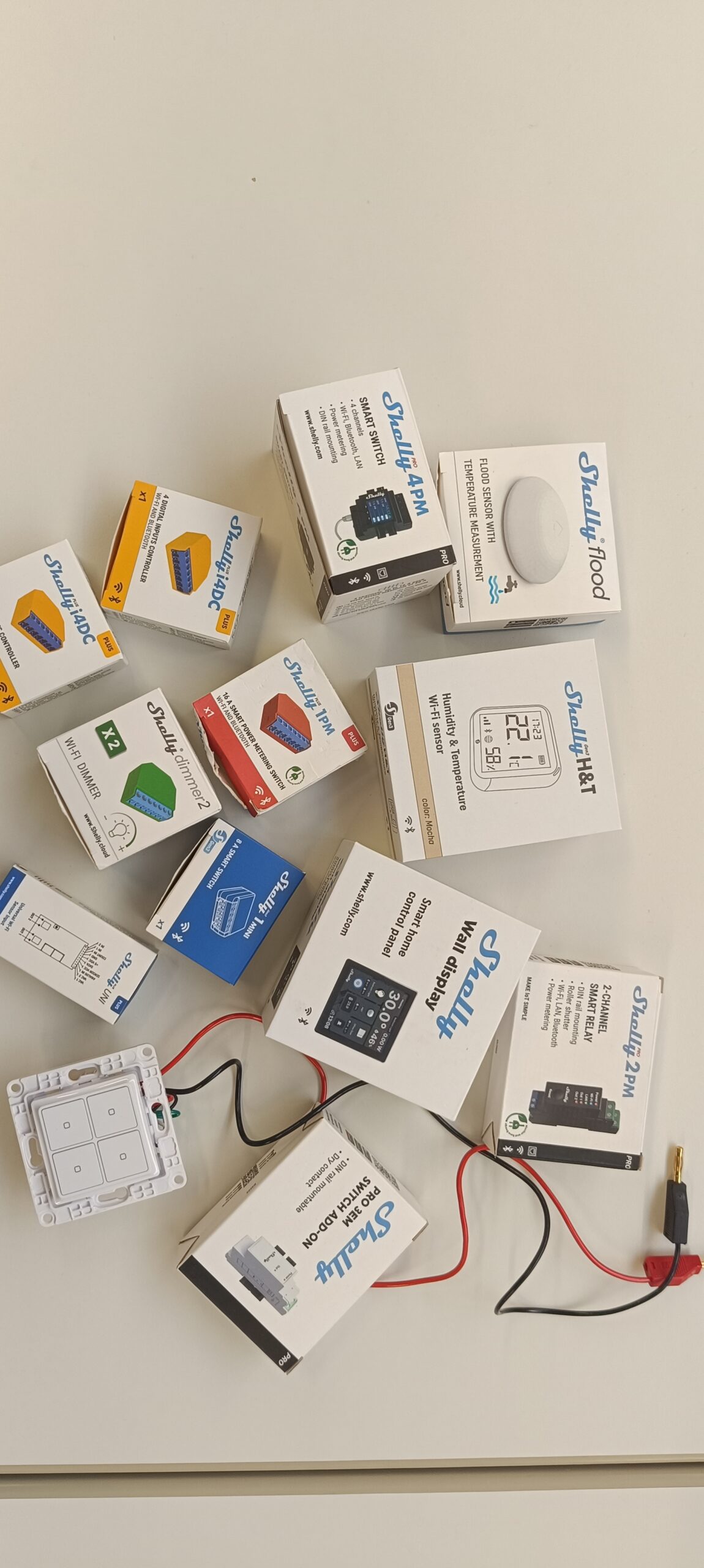
Some examples and their application:
- LED light control with RGBW
- Consumption measurement with Shelly
- Differences Shelly 1, 2 and PM.
- What can a Shelly Mini do?
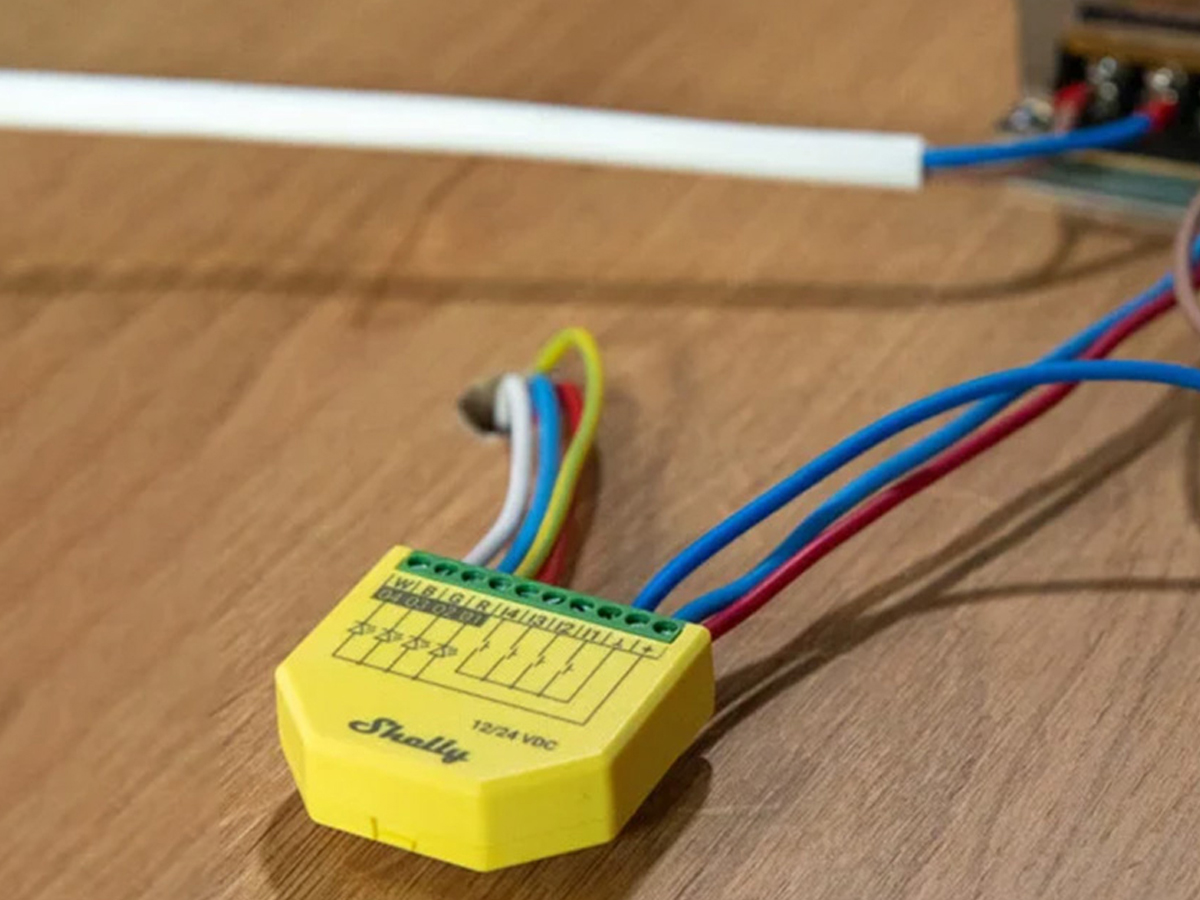
LED magic at your fingertips
The Shelly RGBW2 controls RGB and RGBW LED strips directly via WLAN. Colours, brightness and effects can be flexibly adjusted via app or smart home system – completely without an additional bridge. Ideal for simple, versatile lighting installations.
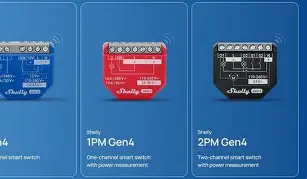
Comparison: Shelly 1, 2 and PM
The differences between Shelly 1, Shelly 2, and PM modules lie in their functionalities and intended applications. **Shelly 1:** * **Functionality:** This is a basic, single-channel smart relay. It can control one electrical device (e.g., a light, fan, or socket) remotely via Wi-Fi. It can also be controlled by a physical switch. * **Key Features:** * Single channel relay. * Wi-Fi connectivity. * Works with MQTT. * Compatible with most existing electrical wiring. * Can be used as a standalone device or integrated into a smart home system. * **Primary Use:** Simple on/off control of a single appliance or light. **Shelly 2 (specifically Shelly 2.5):** * **Functionality:** This is a dual-channel smart relay with power monitoring capabilities. It can control two separate electrical devices or, more commonly, be used to control roller shutters, blinds, or garage doors. The "PM" in Shelly 2.5 stands for "Power Metering." * **Key Features:** * Dual channel relay. * Power metering (measures consumption for each channel). * Wi-Fi connectivity. * Works with MQTT. * Designed for controlling devices that require two relays (e.g., up and down for motors). * **Primary Use:** Controlling devices like blinds, shutters, or garage doors, and monitoring their energy consumption. It can also be used to control two independent lights or appliances. **Shelly PM Modules (e.g., Shelly 2.5 PM, Shelly 3EM PM):** * **Functionality:** The "PM" designation signifies that these modules include **Power Metering**. This means they not only control devices but also measure and provide data on the energy consumption of the connected loads. * **Key Features:** * **Power Metering:** This is the defining feature. They track voltage, current, and power consumption. * Can be single or multi-channel, depending on the specific "PM" model. * Wi-Fi connectivity. * Work with MQTT. * **Primary Use:** When precise energy usage monitoring is required in addition to smart control. This is useful for identifying energy-hungry appliances, optimising energy usage, and tracking costs. **In summary:** * **Shelly 1:** Basic single-channel control. * **Shelly 2 (2.5):** Dual-channel control, often for motors, and includes power metering. * **PM Modules:** Any Shelly module with "PM" in its name has integrated power metering for energy consumption tracking, alongside its primary relay functions. The Shelly 2.5 is a specific example of a dual-channel relay WITH power metering.

Methods of consumption measurement
Shelly devices measure the energy consumption directly at the connected consumer and provide performance and long-term data clearly in the app and web interface. This makes it transparent how much energy individual devices or installations actually require – a simple basis for informed decisions on optimising your own energy usage.
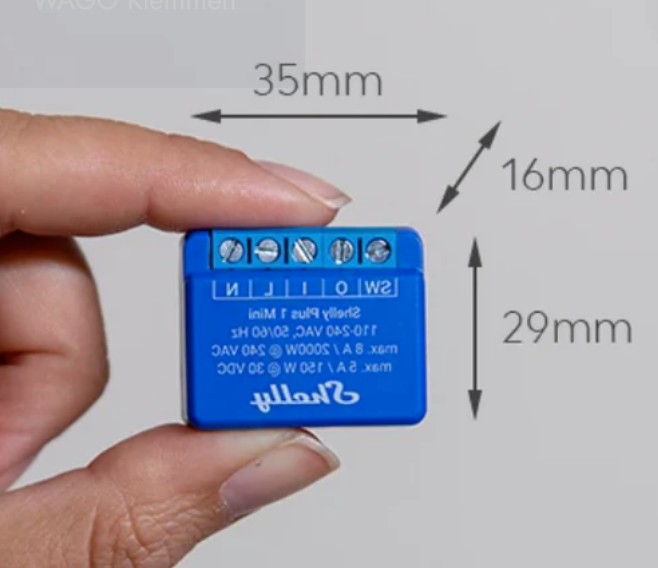
What can the „Minis“?
The Shelly Mini modules offer the functionalities of the classic Shelly relays in a significantly smaller design. They also fit into tight flush-mounted boxes, work via Wi-Fi without an additional hub, and enable flexible retrofitting for switching, measuring, or automating in the smart home.
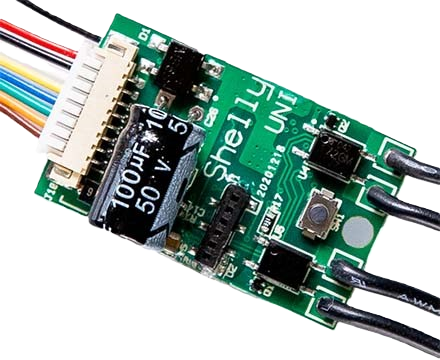
Shelly PLUS Addon vs. UNI
The Add-on expands other Shelly devices with sensor and switch connections, so it only works in combination. The University This is a standalone module with two outputs and direct Wi-Fi connectivity – ideal for flexible projects without a base unit.